


Affordable High-Tech for Humanitarian Aid
The European Union and its member states are major humanitarian donors. Humanitarian crises and disasters have increased in number, complexity, and severity over the last 25 years.
Given the scale of today’s crises and disasters, funding to cover humanitarian needs cannot keep up.
The humanitarian system is being challenged to do more, for more people, and at greater cost. Cooperation between international organisations and NGOs responding to crises, end-users and local actors, research and scientific communities and the private sector is crucial in this respect.
Introducing innovative solutions for the delivery of humanitarian aid could help enhance the humanitarian response, which is particularly important for those in a most vulnerable situation.
Solutions should be developed through a frugal innovation approach, and should be novel and based on advanced technologies and services, demonstrating the added value and potential of one or more advanced technologies (no Information and Communication Technology-only solutions).
Tested and proven in a humanitarian aid delivery, these solutions should be safe, scalable, resource-sustainable, replicable and usable in other contexts.
Innovative solutions should be inclusive, i.e. co-created and developed by different stakeholders with local actors, and accessible to a large number of people in a given context of humanitarian aid delivery settings.
Timetable
2017 fourth quarter – contest opens
2020 first quarter – deadline to submit applications
2020 third quarter – prize awarded
This might also interest you
See allArchives
Have your say: Public consultation on Joint Undertakings under Horizon Europe
The Commission has launched a public consultation on the future of Joint Undertakings (JUs) under Horizon Europe
Archives
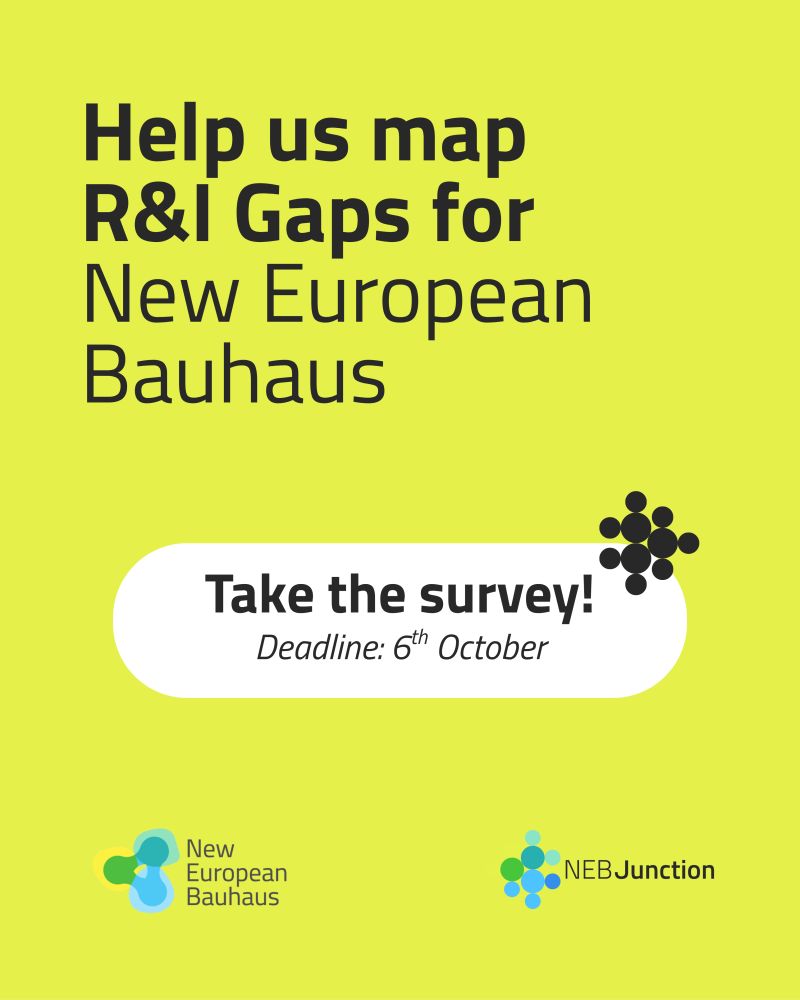
New European Bauhaus gap analysis and future NEB Facility
Help us map R&I Gaps for the New European Bauhaus and shape the future NEB Facility!

Archives
Recap – Horizon Europe Work Programmes, Info days and Brokerage events 2026
Find in one place the information on the newly published Horizon Europe Work Programmes for 2026-2027, the dates of the announced info days and brokerage events.
